New features roll out, algorithms shift, and trends appear almost overnight. As we move through 2026, platforms are making some big changes that marketers need to understand if they want their content to keep performing.
Below is a clear breakdown of what’s changing, what’s worth paying attention to, and what it all means in practice.
Instagram is leaning hard into helping creators and brands test content more confidently.
Trial Reels are one of the most useful updates I’ve seen in a while. They allow you to publish a Reel to non-followers first, so you can see how it performs before sharing it with your main audience. Think of it as a low-pressure testing space for new ideas, trends, or formats.
How Trial Reels work in practice:
- You toggle the Trial option when posting a Reel
- Instagram shows it to users who do not follow you
- After around 72 hours, you get performance insights like views and engagement
- If it performs well, Instagram prompts you to share it with your followers
- You can also choose to publish it manually from your Reels tab
For marketers, this is huge. It means you can experiment more without worrying about hurting engagement with your existing audience. If you manage multiple accounts or test content regularly, this feature is well worth using.
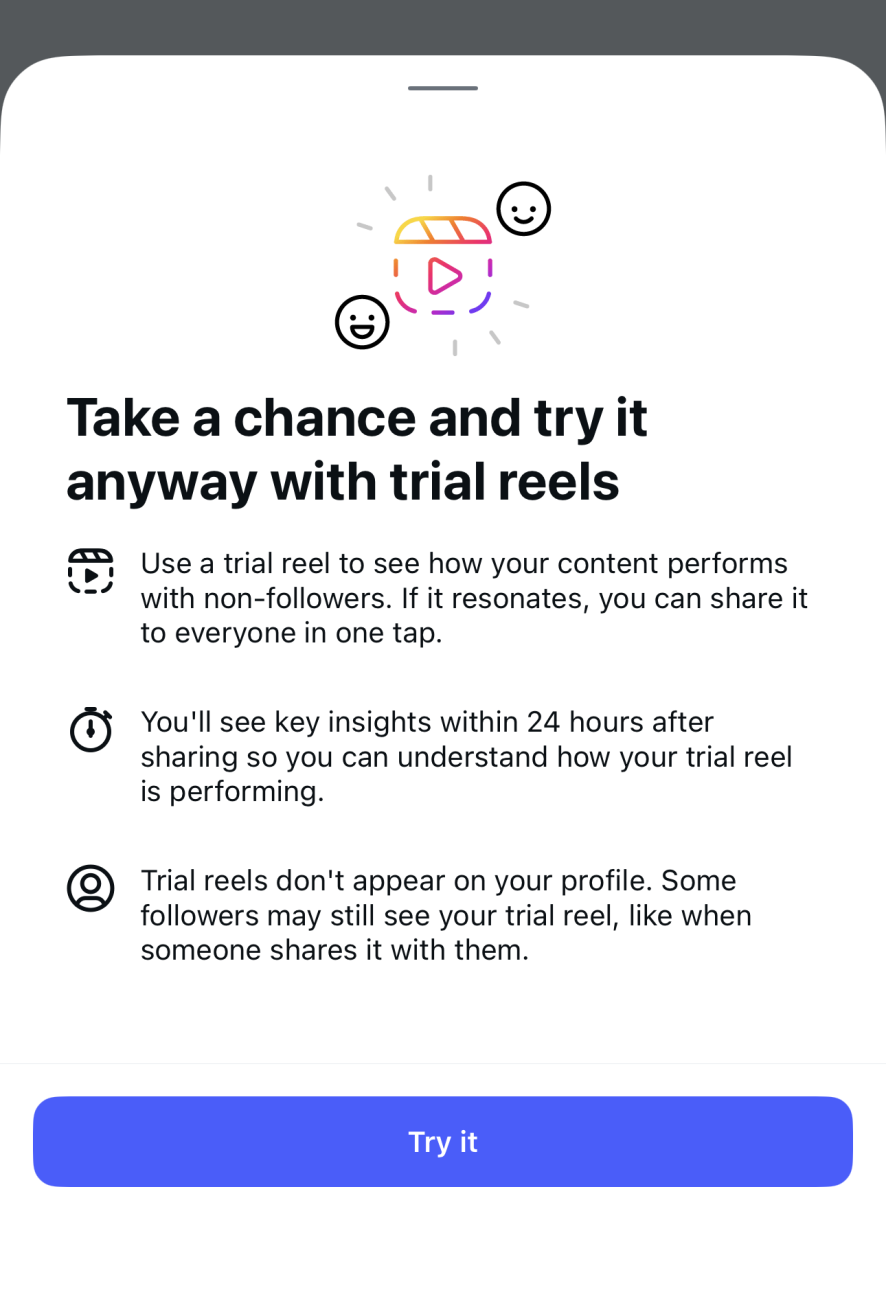 Screenshot of the trial reel pop-up
TikTok
TikTok is still the king of short-form video, but 2026 is all about commerce.
Users have been able to shop directly from videos for a while, especially through brand deals and tagged products. The big shift this year is where TikTok Shop now sits within the app.
The main navigation now looks like this:

By placing the shop front and centre, TikTok is clearly trying to normalise shopping as part of everyday scrolling. There is now a more obvious jump from content discovery straight into buying.
The big question is whether this keeps users engaged or pushes them away. From what I’m seeing, it actually encourages impulse purchases rather than disrupting the experience. The content still leads, but the path to purchase is much shorter.
For brands, this means:
- Product-focused content needs to feel native, not salesy
- Short videos that educate or entertain perform better than hard sells
- Creators are becoming even more important in driving trust and conversions
X
X is quietly becoming more useful for marketers again.
The platform is improving analytics and post targeting, making it easier to understand what’s working and adjust quickly. This is especially helpful if you are testing different content styles or messaging.
They are also experimenting with longer-form posts alongside threads. This gives brands more flexibility to explain ideas properly, share updates, or tell a story without breaking everything into multiple posts.
If X is part of your strategy, it’s now a better space for:
- Thought leadership
- Commentary on industry news
- More detailed brand messaging that still feels timely
LinkedIn continues to move away from stiff, corporate updates and towards more interactive content.
Polls, newsletters, live events, audio rooms, and video are all being pushed harder. The platform still values professionalism, but it now rewards conversation and personality far more than it used to.
This is especially useful if you are:
- Building a personal brand
- Positioning yourself as an expert
- Trying to connect naturally with others in your industry
The key is to sound human. Posts that read like internal memos rarely perform well anymore. The best content feels informed, confident, and approachable.
AI, automation, and new content tools
AI is now baked into almost every major platform.
Auto captions, content suggestions, scheduling tools, and basic editing features are saving marketers a huge amount of time. Used well, these tools help content reach the right people without increasing workload.
At the same time, interactive features are becoming more common:
- Polls
- Quizzes
- Simple games
- Clickable story elements
These formats encourage people to engage rather than just scroll. The important thing is to use them with purpose. Automation should support your strategy, not replace it.
“2026 is the new 2016”
One of the most interesting shifts I’ve noticed is a growing nostalgia for earlier social media.
People are craving simpler, more personal content. Tumblr-style visuals, less polish, and more personality are making a comeback. Even though short-form video still dominates, the tone is softer, funnier, and more familiar.
This trend is a reminder that while platforms evolve, audiences still respond best to content that feels real. Perfection is out. Relatability is back.
What this means for marketers in 2026
2026 is about balance.
Yes, you should be using short-form video, interactive formats, and AI tools where they make sense. Social commerce is growing fast, and testing new features early can give you an edge.
But the strongest content still shares the same foundation:
- A clear voice
- A good understanding of your audience
- Content that feels human and relevant
Try new things, test often, and use the tools available to you. Just don’t lose the personality behind the posts. That’s still what people connect with most.