There are certain words that suddenly seem to appear in every meeting.
A few years ago, it was “algorithm”. Then it was “AI”. Then “automation”. Now, it feels like everyone is talking about LLMs.
A few months ago, LLMs felt like one of those terms I kept hearing everywhere. I knew they were linked to AI, tools like ChatGPT, and the way people are starting to search for information. But at first, I had not fully connected what they meant for marketing day to day.
Since then, I have realised that when people talk about “writing for LLMs”, they are not really talking about writing for robots. They are talking about making sure content is clear, useful and structured enough for both people and AI systems to understand.
So, here is the simple version.
What is an LLM?
LLM stands for large language model.
“Large” means it has been trained on a huge amount of information.
“Language” means it works with words, questions and answers.
“Model” means it has learnt patterns from data and uses those patterns to generate a response.
So, in plain English, an LLM is a type of AI that has been trained to understand and generate language.
It sits behind tools like ChatGPT, Gemini and Claude. You type something in, and the model predicts what response makes the most sense based on what it has learnt.
It is not “thinking” like a person. It does not have opinions, feelings or lived experience. It is recognising patterns and generating language that feels natural and relevant.
That is why it can write emails, summarise notes, answer questions, help with ideas and create content.
Why do LLMs matter now?
Because LLMs have moved AI from something that felt technical into something people can use day to day.
You do not need to code. You do not need to build a system. You can just ask a question.
For marketing, this matters because so much of what we do is based around language: blogs, captions, ad copy, emails, website pages, search queries, reports and briefs.
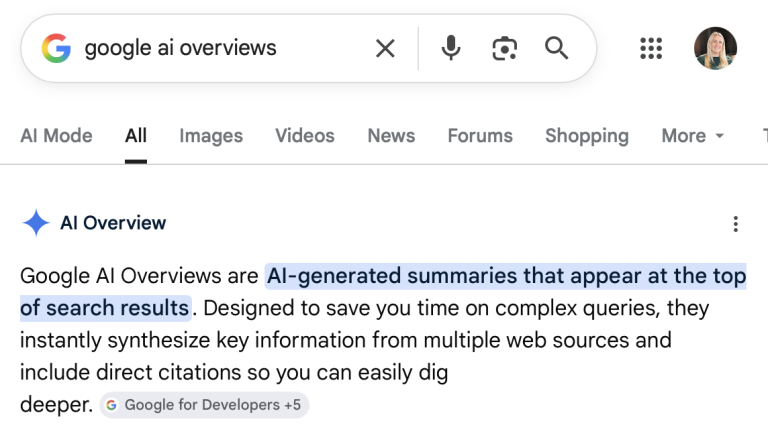
LLMs are also changing how people find information. That is why marketers are not just talking about how to use AI tools internally. They are also talking about how to make sure content is ready for the way AI systems read, interpret and summarise information.
So when someone says “we need to think about LLMs”, they might mean using AI tools properly, making website content easier for AI systems to understand, or thinking beyond traditional SEO.
Usually, it is a bit of all of it.
What do LLMs mean for content?
Traditional search has mostly been about someone typing a query into Google and choosing from a list of links. That is still happening. SEO is not suddenly dead.
But AI tools are changing the journey. People can now ask more detailed questions and get a direct answer. Instead of searching “best CRM for estate agents”, they might ask, “What CRM should a small estate agency use if they want better lead tracking and less admin?”
That changes the type of content that performs well.
It is not just about putting a keyword on a page. It is about being useful, clear and trustworthy.
Good content needs to answer real questions. It needs to explain things properly. It needs to show experience. It needs to be specific enough that people and AI systems can understand what the business does, who it helps and why it is relevant.
In other words, vague content is going to struggle. If a website says the same thing as everyone else and does not give clear information, it is harder for people and AI tools to pull anything meaningful from it.
How should we plan content for LLMs?
This is where content planning becomes really important.
LLMs are not only looking at polished website pages. They can also learn from and reference content that feels more human, specific and experience-led, such as handmade blogs, LinkedIn posts, social content, Reddit comments, reviews and forum discussions.
That does not mean every business needs to be everywhere. It means the content we create needs to feel like it has come from real knowledge, not just a generic overview of a topic.
When writing, we need to be clear about who the content is for and what the purpose of the piece is. A beginner’s guide should not sound the same as a technical article written for someone with years of experience.
That matters because LLMs are becoming better at matching answers to the person asking the question. Someone new to a topic may be shown a simple explainer. Someone with more expertise may be pointed towards something more detailed.
So, if we want content to be useful and more likely to be cited, it needs a clear audience, a clear purpose and a clear point of view.
This is where expert-led content becomes so valuable. Original insight, observations, examples and practical knowledge all help show that a business knows what it is talking about.
It is not enough to repeat the same points that already exist everywhere else.
Does this mean we should write for AI?
Not exactly.
Writing for LLMs does not mean filling a page with awkward keywords or trying to please an AI tool instead of a real person. It means making content genuinely easy to understand.
That includes strong SEO basics, good usability and clear information. It means answering the question properly and being specific about services, locations, products, experience and expertise.
In that sense, writing for LLMs is not separate from writing good content. It is more like the next layer of content quality.
A strong page should work for Google, the person reading it and AI systems trying to understand what the business does, who it helps and why it is relevant.
So no, we should not be writing just for AI. But if a page is vague for a person, it will probably be vague for an AI system too.
What does this mean in practice?
For marketers, the takeaway is not that we all need to become AI experts overnight. It is that we need to understand how these tools affect search, content and customer behaviour.
LLMs can help with ideas, structure, research, summaries and first drafts. But they are not a replacement for knowing the client, understanding the audience or having a point of view.
They do not know what a client said in a meeting unless we tell them. They do not know what tone feels right unless we guide them. They can also get things wrong.
So, while everyone is talking about LLMs, I think the real skill is knowing what it means in practice.
Be clear. Be useful. Be specific.
That is what people need.
And increasingly, it is what AI needs too.